
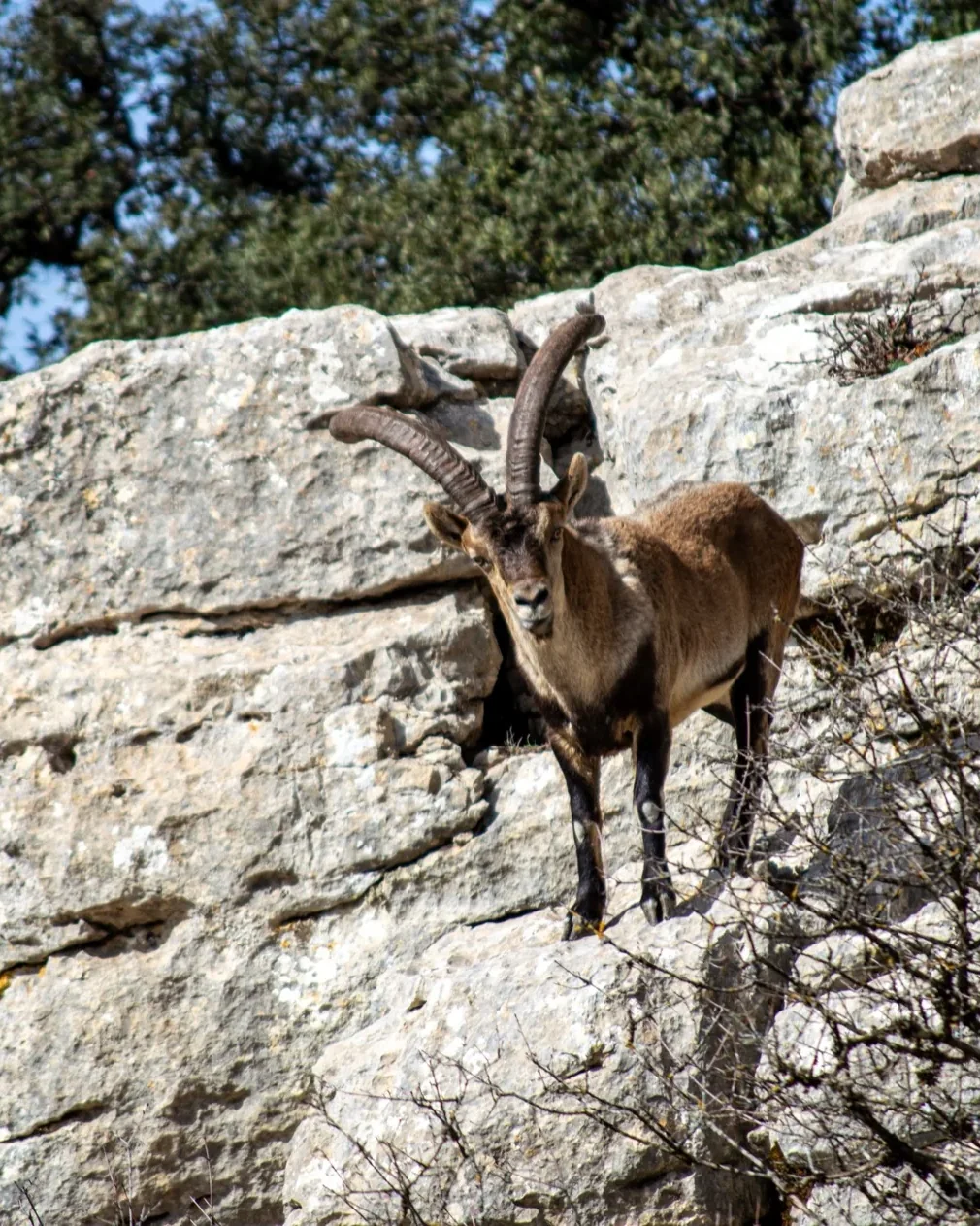

A Spanish ibex on the mountain — the trophy you'll bring home

Trophy import

Importing your trophy

No CITES permit for the Spanish ibex — but bringing a trophy home isn't paperwork-free. Here's exactly what applies on US entry, and how we handle the export.

The Spanish ibex is not CITES-listed

The Spanish ibex (Capra pyrenaica) does not appear on any CITES appendix — not I, II or III. That means no CITES permit is required to export your trophy from Spain or to bring it home. The African-style CITES friction many hunters expect simply does not apply to this species.

The ibex is still a protected animal in Europe — but through instruments that are separate from CITES: the Bern Convention (Appendix III) and the EU Habitats Directive (Annex V). Conservation-wise it is rated Least Concern by the IUCN. For context, the only Capra on CITES is the markhor (Capra falconeri) — a different animal entirely.

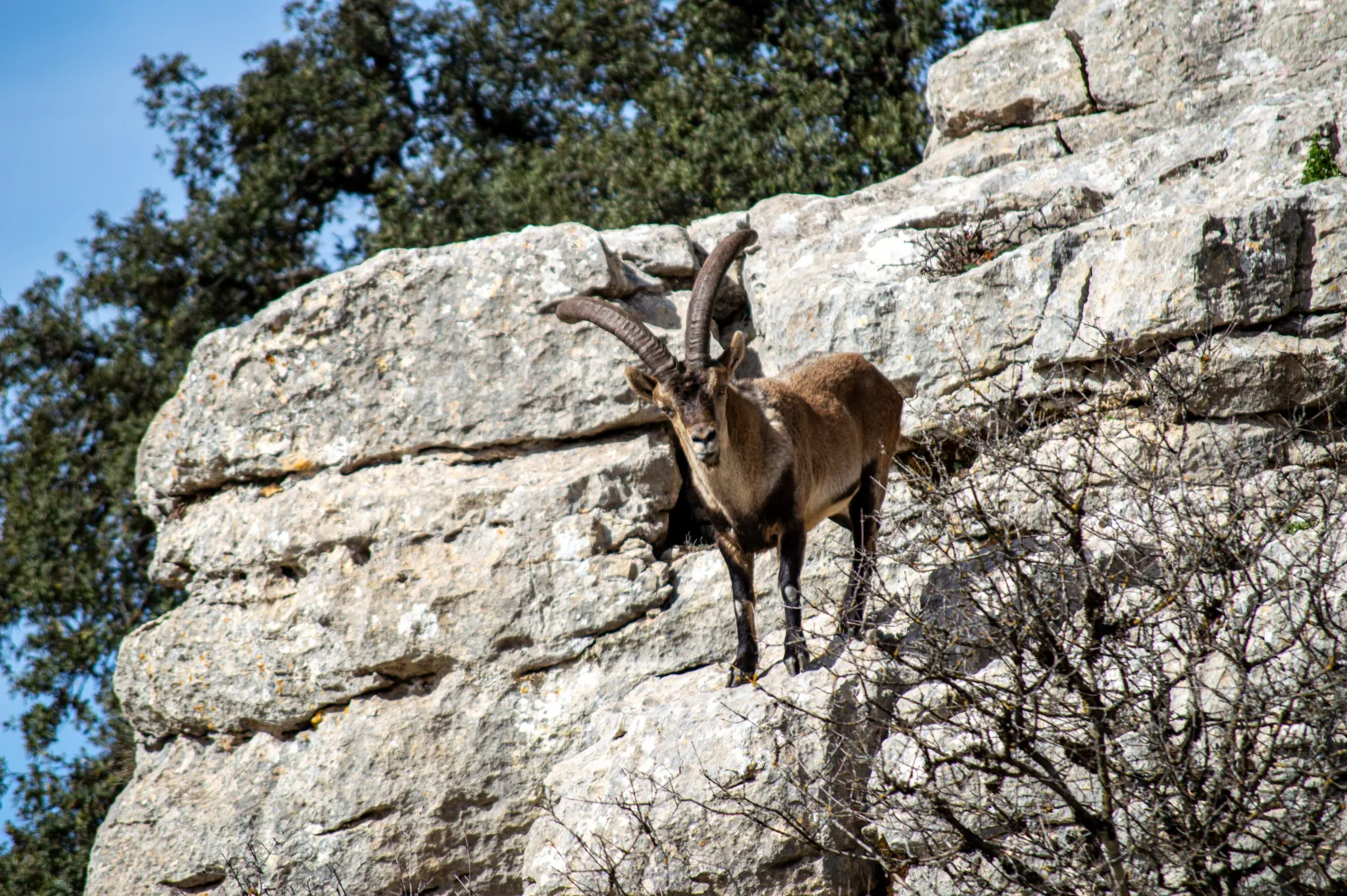
Spanish ibex country — the mountains your trophy comes from
Spain — the only country to hold all four ibex

Bringing your trophy into the United States

Importation is straightforward, but it is not paperwork-free — and we'd rather tell you exactly what applies than pretend otherwise. Two things travel with every trophy on US entry:

On entry

USFWS Form 3-177

A USFWS Form 3-177 — the “Declaration for Importation or Exportation of Fish or Wildlife” — is filed at the port of entry under 50 CFR Part 14. It is a declaration, not a permit: because the ibex is neither CITES-listed nor on the Endangered Species Act, no USFWS import permit is needed. Wildlife, including hunting trophies, generally clears through a designated USFWS wildlife port.
Sanitary clearance

Veterinary export health certificate

Your trophy travels with a veterinary export health certificate to satisfy USDA / APHIS rules. Finished or taxidermy-mounted trophies — and hard-dried, cleaned bones, horns, hooves and hides — may generally be imported without further restriction; raw or unfinished parts are what require the health certificate (or an APHIS-approved establishment). The Spanish/EU certificate your shipper arranges satisfies this side.

Import rules change — confirm the current requirements with your shipper and your country's wildlife authority before you travel.

What we handle

We coordinate the export, end to end.

We handle the export side from Spain and work with an experienced trophy shipper, so the declaration, the health certificate and the logistics are managed — not left to chance. Because the rules can move, we reconfirm what applies for your nationality and your travel dates rather than assume.

See everything we handle on the ground →

Good to know

Trophy import — your questions

Is the Spanish ibex CITES-listed?

No. The Spanish ibex (Capra pyrenaica) is not listed on any CITES appendix, so no CITES permit is required to export your trophy or bring it home. A USFWS Form 3-177 declaration and a veterinary export health certificate still apply on entry to the United States.

Do I need a CITES permit to import an ibex trophy to the US?

No — the species isn't CITES-listed. On entry you file a USFWS Form 3-177 declaration (a declaration, not a permit) through a designated wildlife port, and the trophy travels with a veterinary export health certificate for USDA/APHIS. We coordinate the export side with an experienced trophy shipper.

What is USFWS Form 3-177?

It is the “Declaration for Importation or Exportation of Fish or Wildlife,” filed at the port of entry under 50 CFR Part 14. It is a declaration, not a permit — and because the Spanish ibex is neither CITES-listed nor on the US Endangered Species Act, no USFWS import permit is required. Wildlife, including hunting trophies, generally clears through a designated USFWS wildlife port.

Does a finished, mounted trophy follow different rules from raw parts?

Yes. Finished or taxidermy-mounted trophies — and hard-dried, cleaned bones, horns, hooves and hides — may generally be imported without further restriction. Raw or unfinished trophies must travel with a veterinary export health certificate, or be sent to an APHIS-approved establishment. The Spanish/EU veterinary export health certificate your shipper arranges is what satisfies this side.

Who arranges the trophy export and shipping?

We handle the export side and work with an experienced trophy shipper, and we confirm the current requirements before you travel. Import rules change, so we reconfirm what applies for your country and your travel dates rather than assume.

Regulations change — we reconfirm the current import requirements for your nationality and travel dates before you go.

Enquire

Plan your hunt

Tell us what you're after and when. We'll come back with an honest, all-in plan — no surprises.