
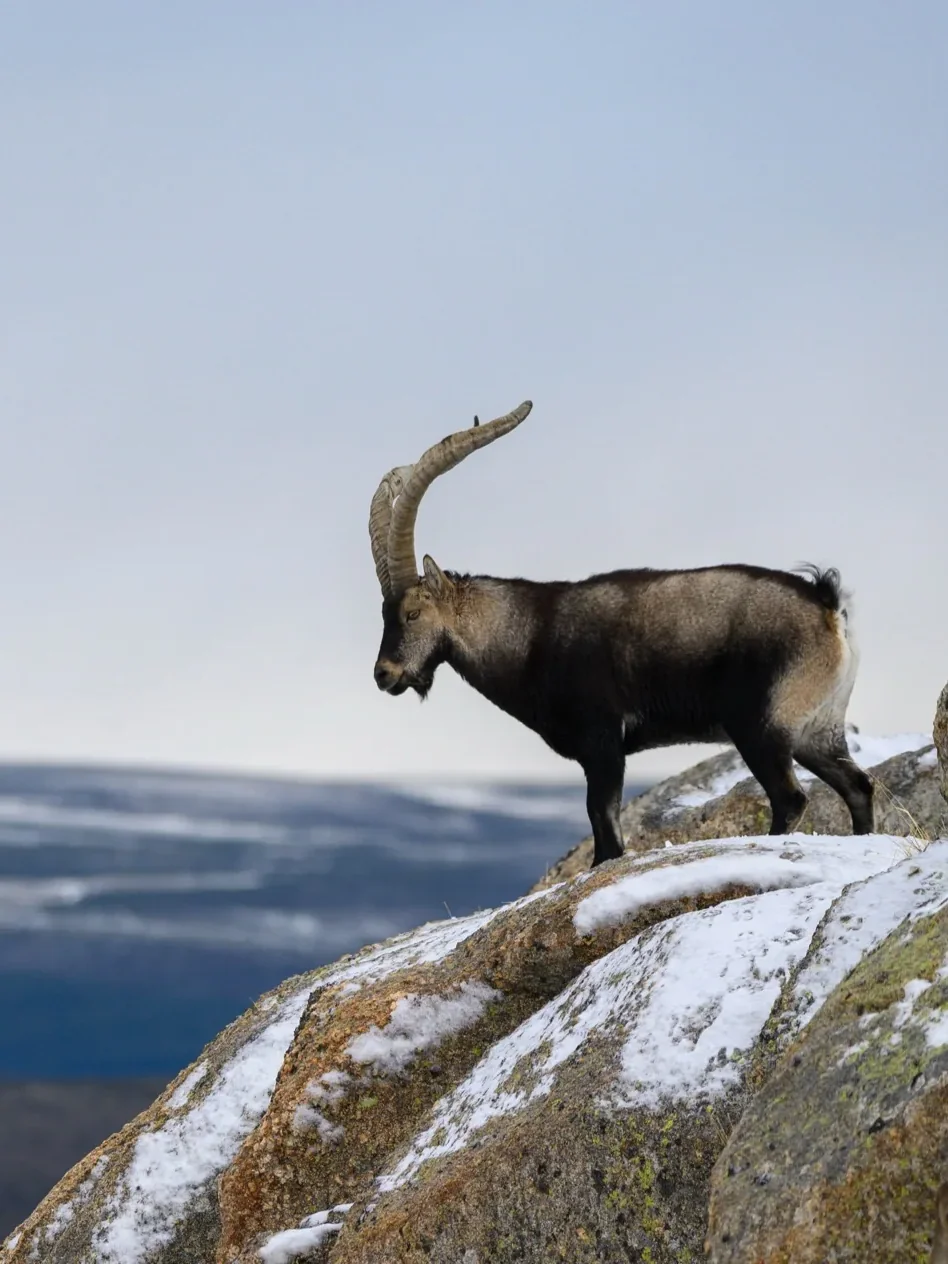
The flagship
The Spanish Ibex Grand Slam
All four subspecies. One country on earth where you can take them. Ibex hunting in Spain, guided and owner-run, every region handled.
The only place on earth to take all four
The Spanish Ibex Grand Slam is the four subspecies of Capra pyrenaica — Gredos, Beceite, Ronda and South-Eastern — each native to a different mountain range of Spain. No other country holds all four, so the slam can only be completed here. It is the reason serious mountain hunters come to Spain, and the hunt Encinarejo is built around.
Each subspecies is a genuine free-range mountain hunt — glassing, climbing and patient stalking in steep, open country. Taken together they trace a line across the whole of mountain Spain, from the granite of Gredos to the limestone of the south.
The four
The four subspecies
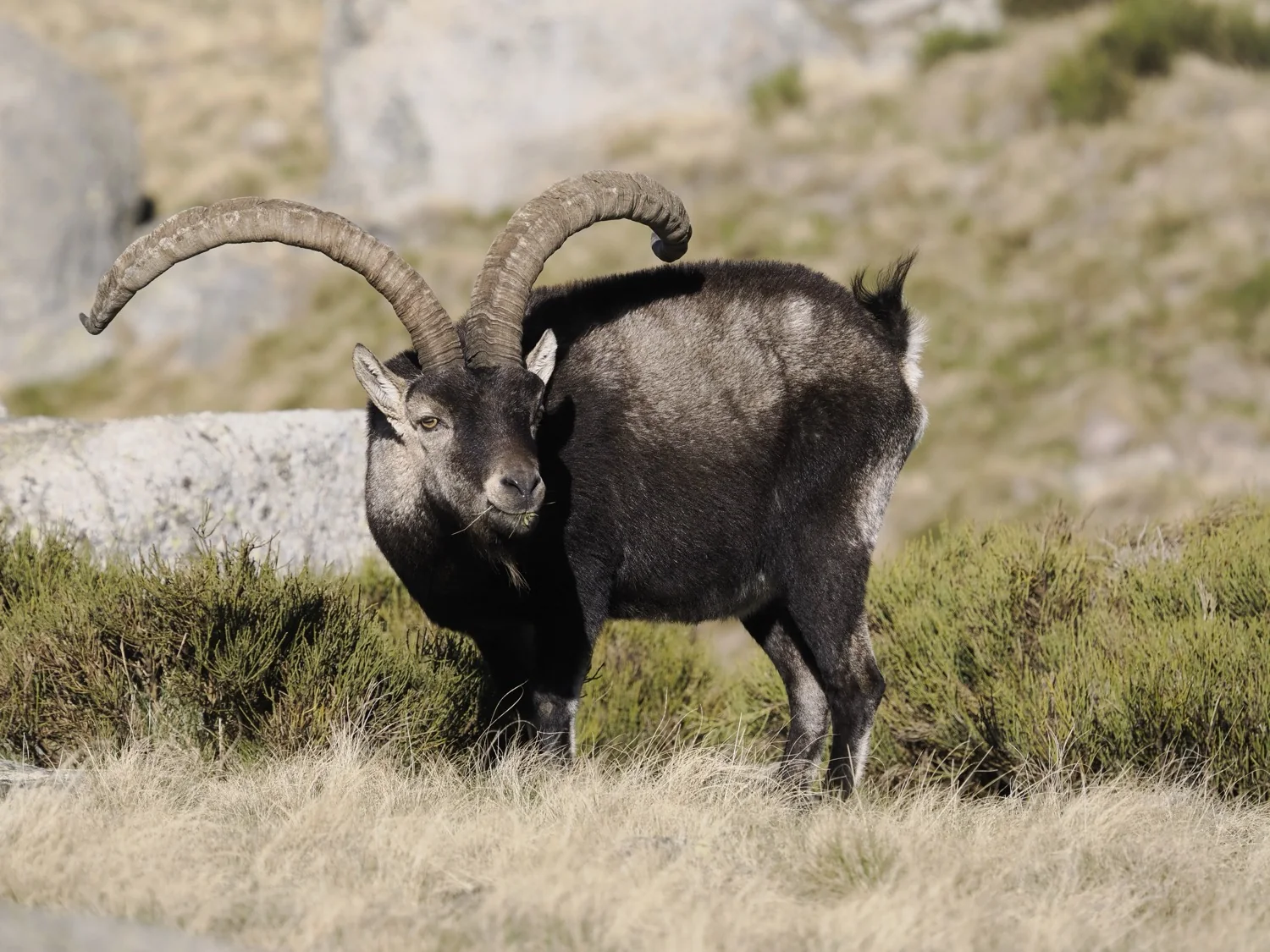
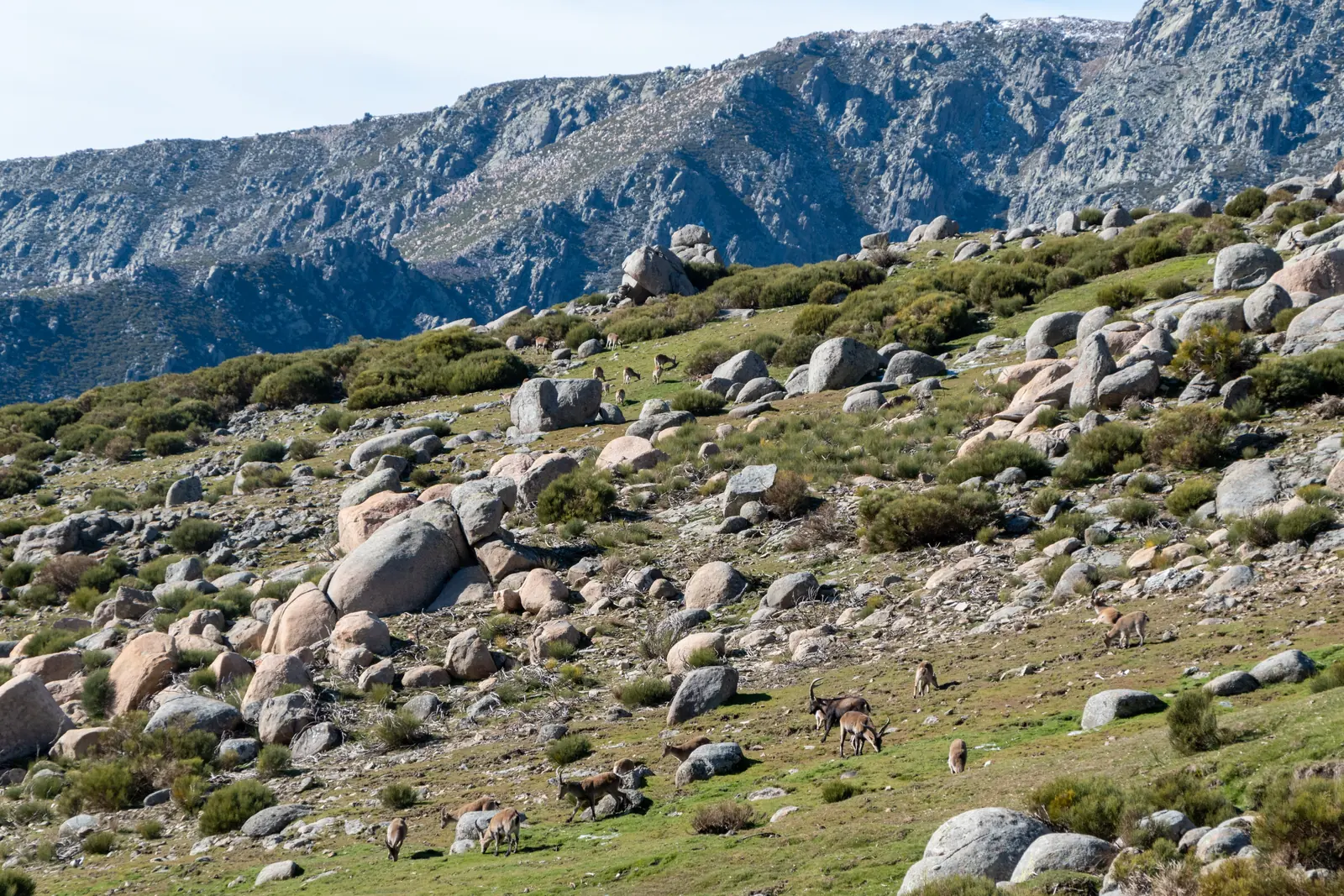
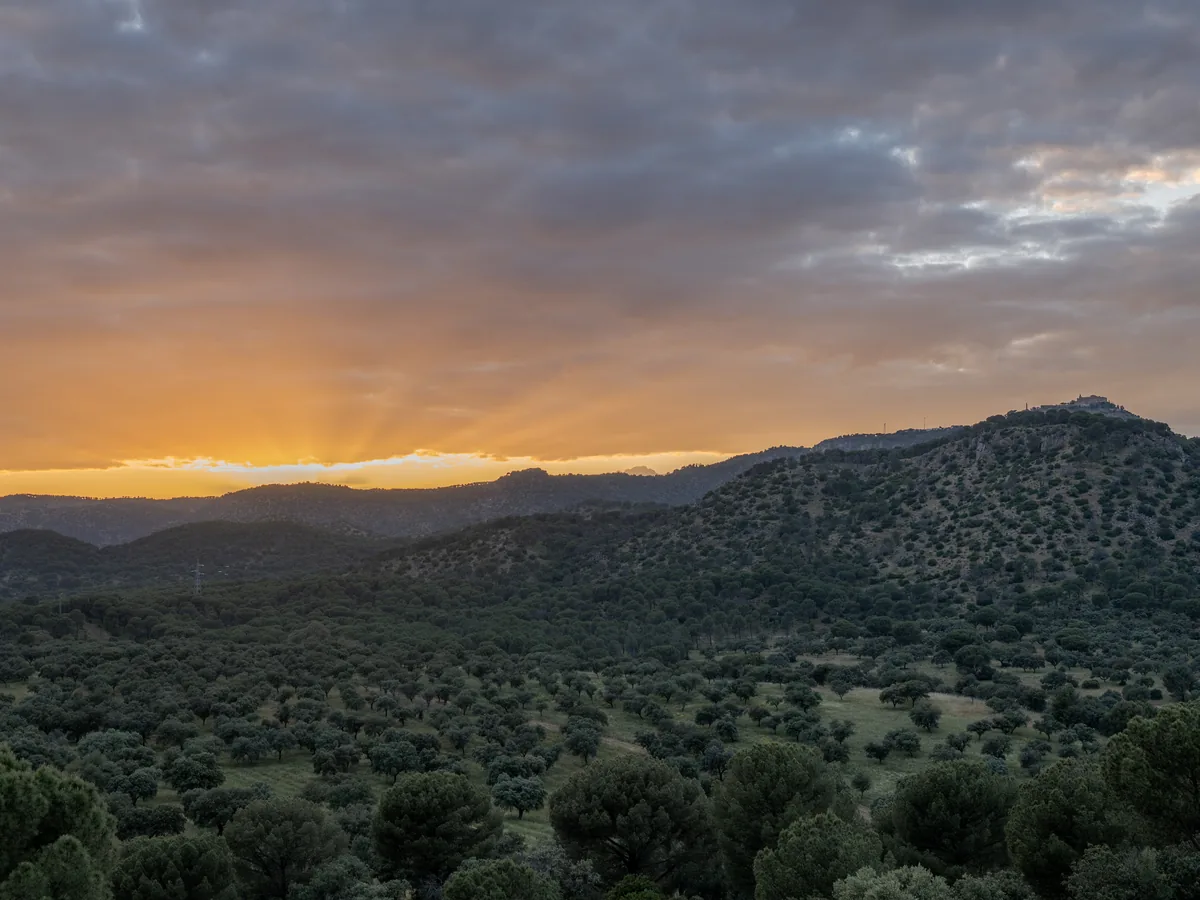
01/ 04 Sierra de Gredos
Gredos Ibex
Granite high country and long, sweeping lyre-shaped horns — Spain's most iconic mountain ibex.
View the hunt →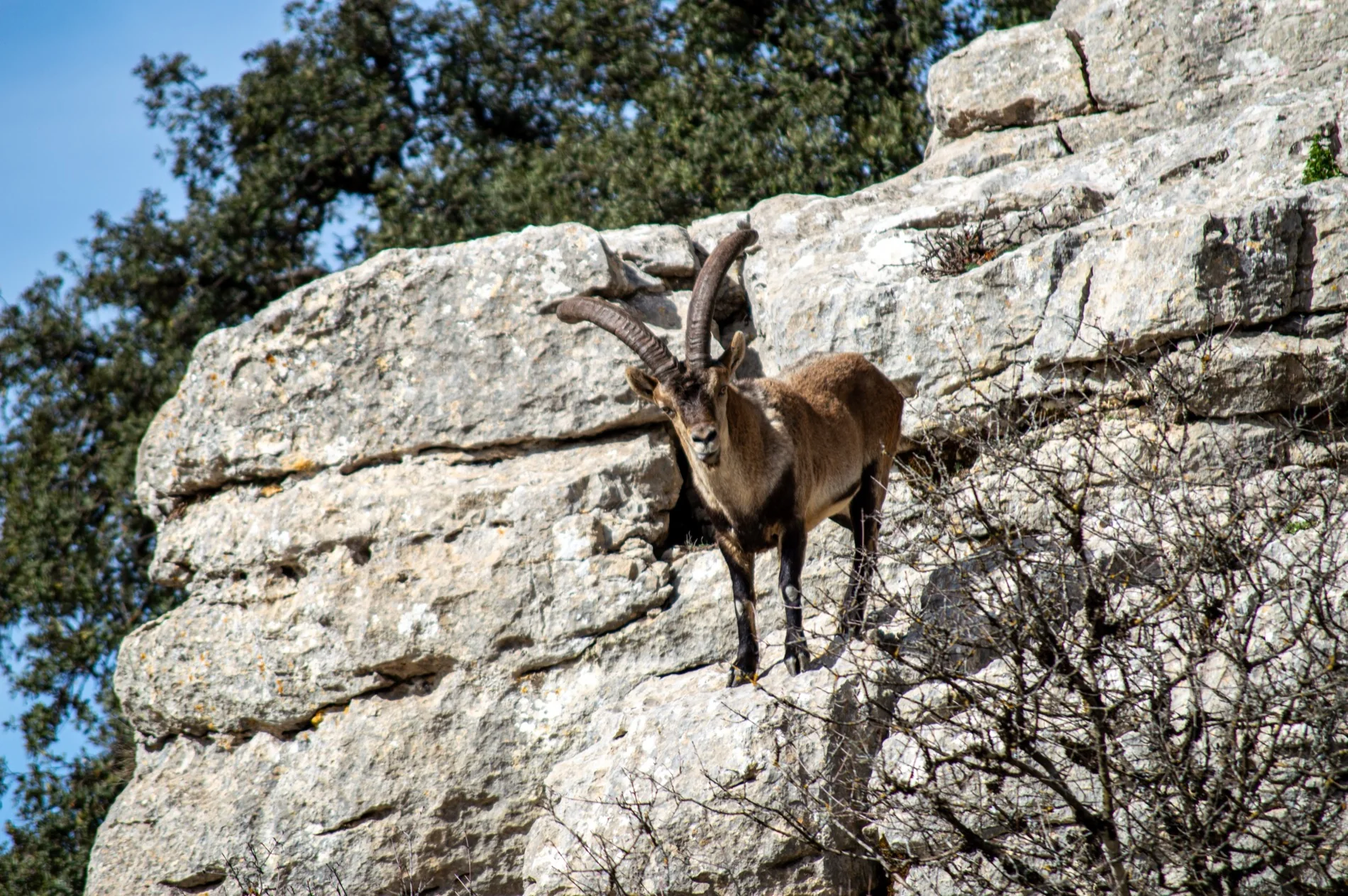
02/ 04 Ports de Beceite
Beceite Ibex
Rugged eastern limestone, old stone ruins, and heavy, wide-flaring horns.
View the hunt →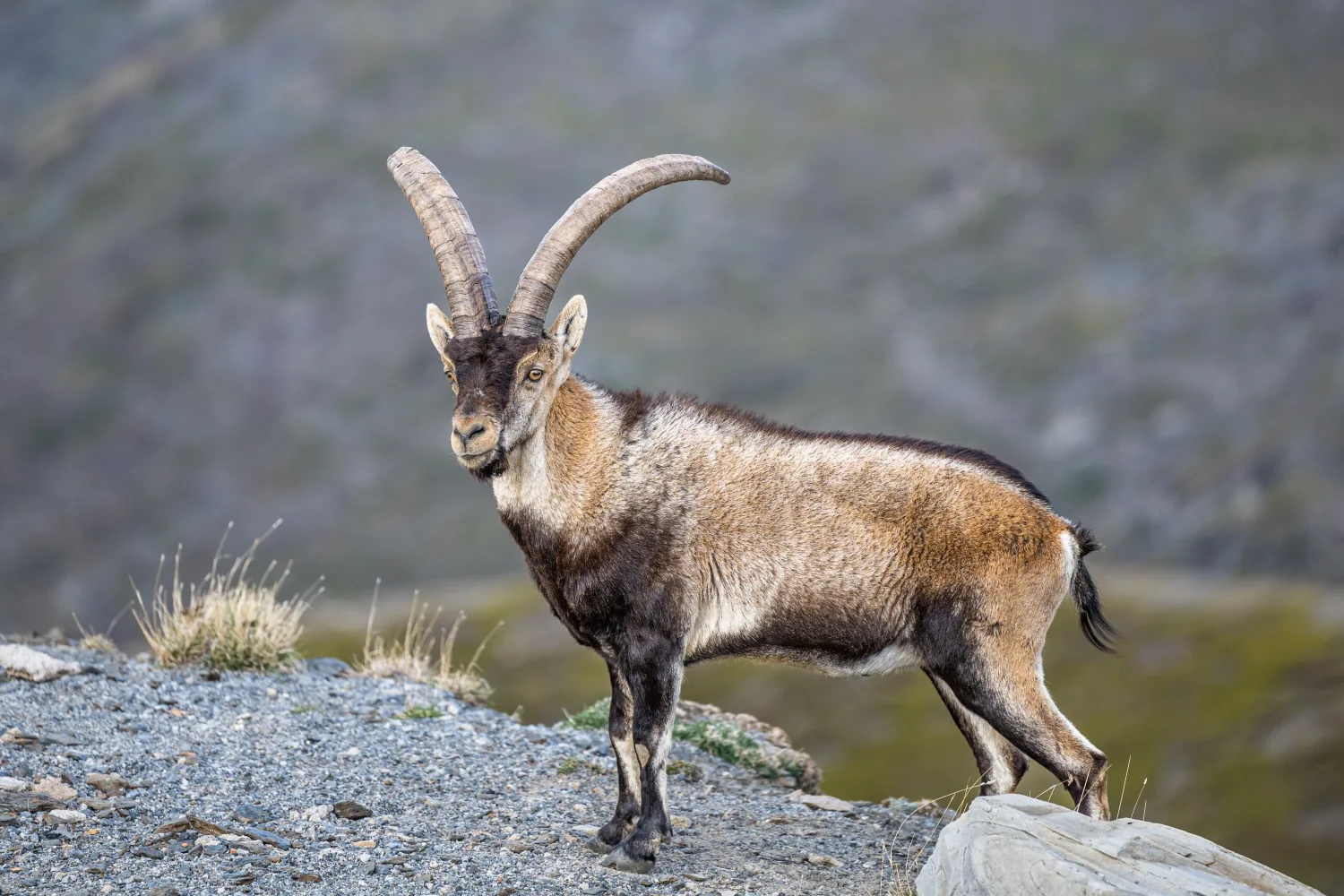
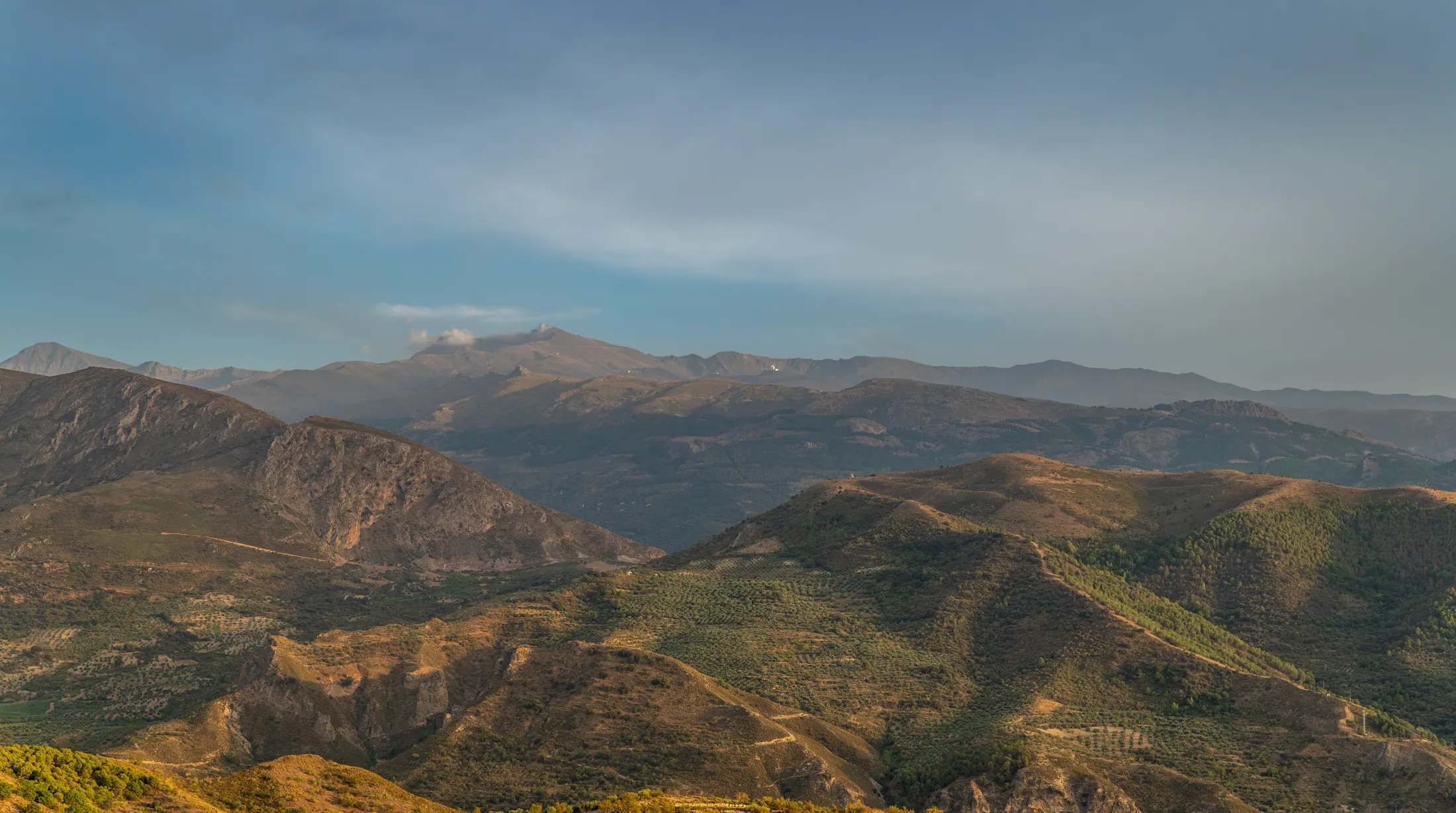
03/ 04 Sierra Nevada · Granada
South-Eastern Ibex
Stark, sun-baked sierra and long, elegant horns carrying a classic forward curl.
View the hunt →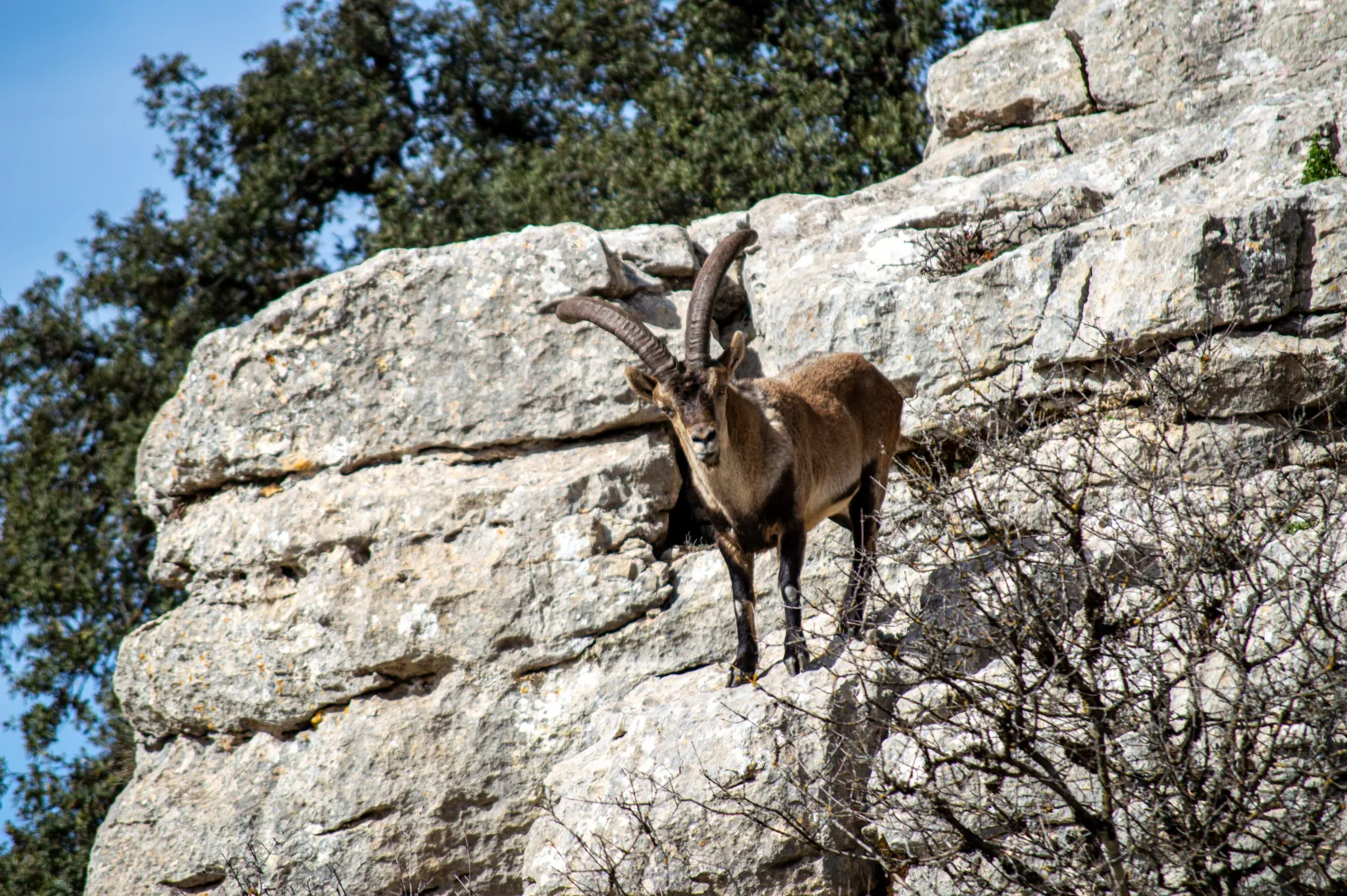
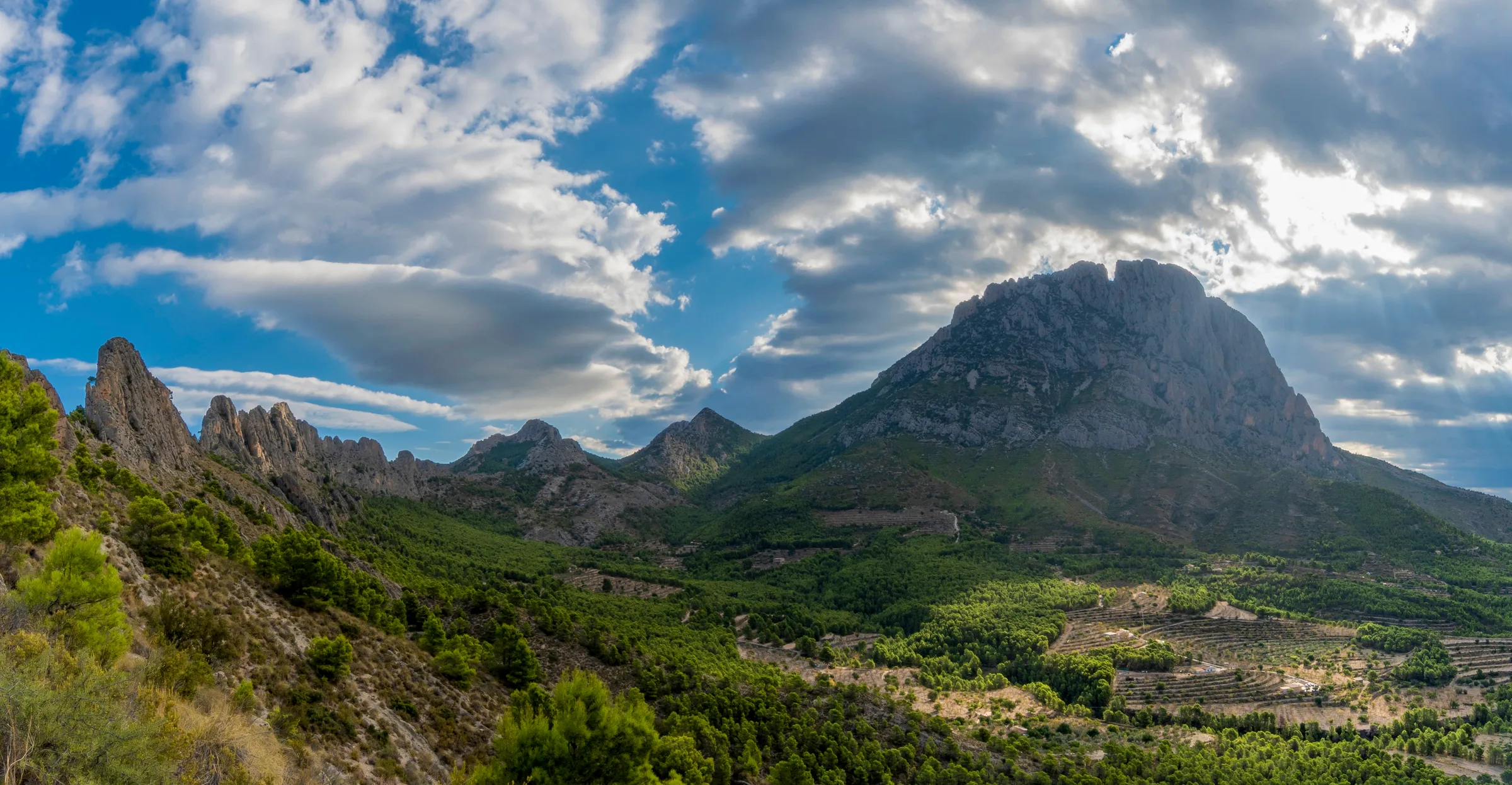
04/ 04 Serranía de Ronda
Ronda Ibex
Cliffs, ravines and sharp elevation — deep, tightly curled horns on a compact, muscular frame.
View the hunt →How it works
One expedition, or a slam built over seasons
Because the four subspecies live in separate ranges, the Grand Slam moves between regions — and a slam crosses several of Spain's autonomous communities, each with its own hunting licence. We arrange the right regional licences, the mandatory insurance, the transfers and the timing, so the only thing you organise is getting here.
Take all four in one extended trip, or complete the slam season by season. Most hunters add a stag, a mouflon or a chamois to a single-ibex trip and grow the slam from there.
Prices are confirmed with your enquiry — all-in, with no back-charges. What that covers.
Slam packages
- Single Ibex 3 days / 4 nights One subspecies, hunted properly.
- Half Slam 6 days / 7 nights Two subspecies across two regions.
- Grand Slam 13 days / 14 nights All four subspecies — the full slam.
All-in, no surprises
What's included in the slam
In your hunt
- Accommodation
- Meals
- Guiding
- In-country transport
- Airport pickups & transfers
- Hunting licences (per province)
- General hunting insurance
- Rifle rental — 7mm PRC; ammunition at cost
- Taxidermy coordination
- Trophy export coordination
You arrange
- International flights
- Travel insurance
- Accommodation before or after the hunt (unless arranged)
- Trophy fees
- Taxidermy & shipping costs
- Personal gear
Timing
When to hunt the slam
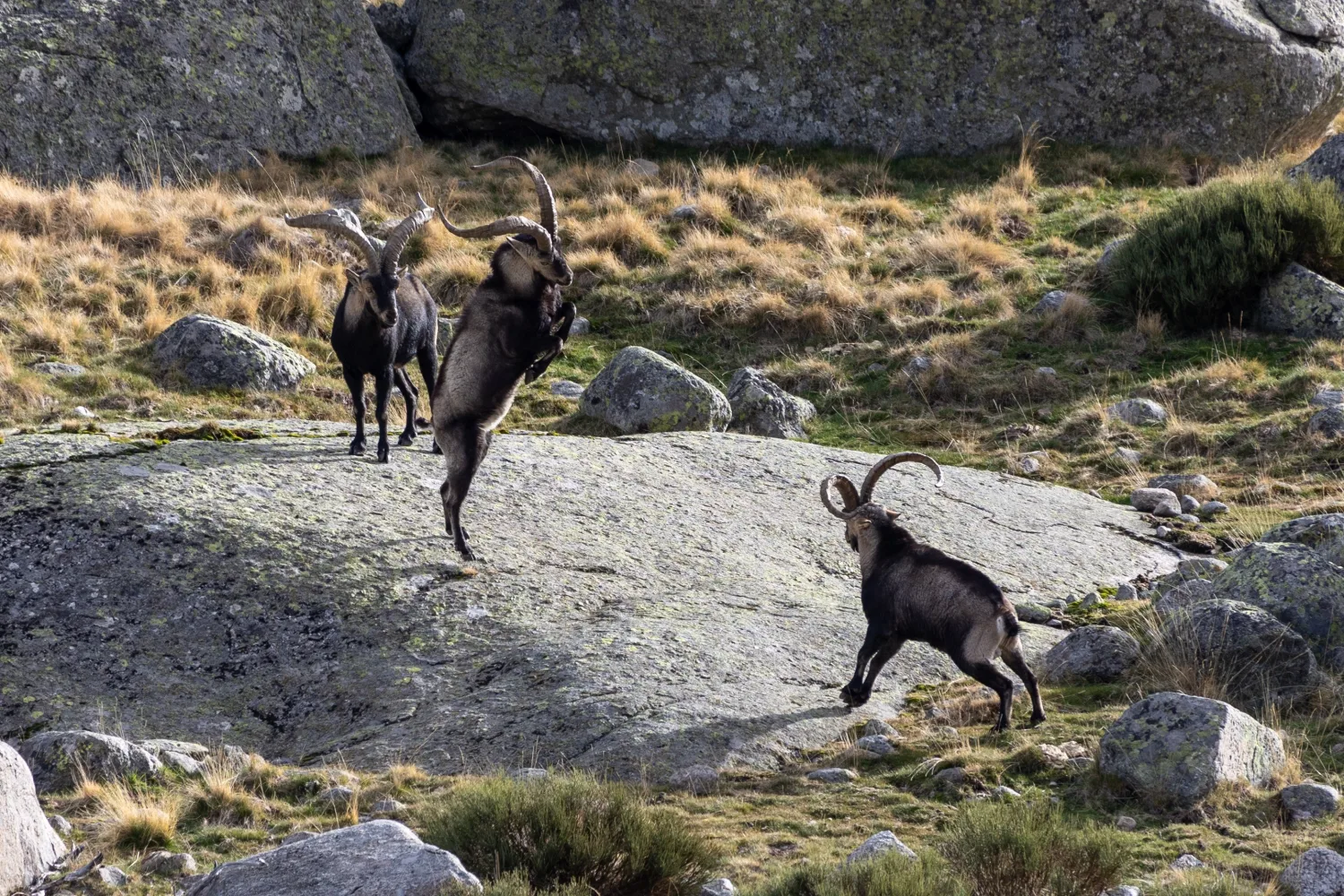
The rut peaks in November and early December — the prime window for mature males and the time most hunters plan around. The ibex season broadly runs 15 October to 31 May, with good spring hunting for several of the subspecies.
Spain is also a cornerstone of the wider Capra World Slam — several of its species are taken here — so a Spanish ibex slam is a natural foundation for a longer mountain-hunting goal.
Regulations, seasons and dates are confirmed for your specific hunt and travel time.
Why Encinarejo
The four, arranged properly
Encinarejo is owner-run and low-volume. We hunt these subspecies ourselves, across the regions they live in, and handle the regional licences, insurance and logistics that a slam across several communities demands. Honest all-in pricing, no shortcuts, every detail handled — the way the slam should be done.
Good to know
Questions, answered
What is the Spanish Ibex Grand Slam?
Taking all four Spanish ibex subspecies — Gredos, Beceite, Ronda and South-Eastern. Spain is the only country on earth where all four occur, which is what makes the slam unique.
How long does the Grand Slam take?
As a single expedition it runs about 13 days / 14 nights, because the four subspecies live in different mountain ranges across several regions of Spain. Many hunters instead build the slam over several seasons — either way works, and we plan it around your dates.
Which ibex should I hunt first?
There's no wrong order. Many hunters start with the Gredos — it's the most iconic and the most bow-friendly of the four — but the right first hunt depends on the season, the region and your travel dates. We plan the sequence around you.
Can I complete the slam in one trip, or over several years?
Both. Some hunters take all four in one extended expedition; others return season by season. We keep track of where you are in your slam and plan each hunt to fit.
Do I need a CITES permit to bring the trophies home?
No — the Spanish ibex is not CITES-listed, so no CITES permit is required. For the United States a USFWS Form 3-177 declaration and a veterinary export health certificate still apply, and we coordinate the export side. Full detail on the trophy-import page.
Can I bring my own rifle?
Yes. EU hunters travel on the European Firearms Pass; hunters from outside the EU obtain a firearm certificate from their nearest Spanish consulate before travelling. We manage the process — see the firearms and permits page.
When is the best time to hunt?
The rut peaks in November and early December, the prime window for mature males. The ibex season broadly runs 15 October – 31 May. Regulations and dates are confirmed for your specific hunt and travel time.
Firearm, licence and import requirements change — we confirm the current rules for your nationality and travel dates before you go. See firearms & permits and importing your trophy.
“Once in a lifetime trip! The lodge was very well appointed, the food was delicious, and the grounds were breathtaking! The hosts were amazing — thank you Jess and Alex! This wilderness preserve is truly special. 10 out of 10 in every way.”
Enquire
Plan your Grand Slam
Tell us your dates and which subspecies you're after. We'll come back with an honest, all-in plan.
Talk to us
Ask us anything
Dates, terrain, paperwork, what a week actually looks like — send the question and Alex answers it himself. No call centre, no sales sequence.